

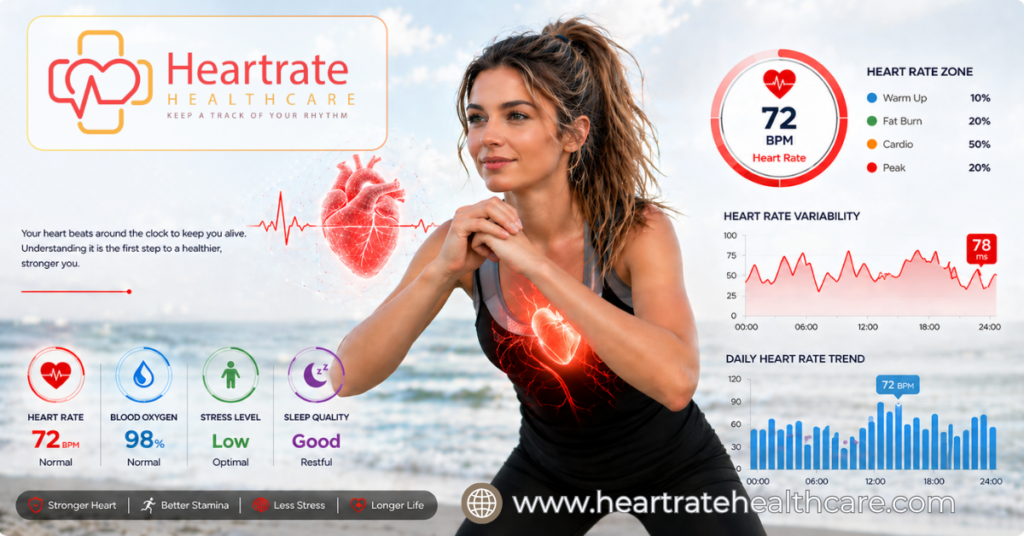

The Body Heart Beat is not just a vital sign—it’s a reflection of our overall well-being. The rhythm of our heartbeat, measured by heart rate, holds vital clues about our cardiovascular health, stress levels, and even emotional states. Understanding the body’s heartbeat helps in early detection of various heart conditions, enabling individuals to take preventive measures. At Heartrate Healthcare (HRHC), we explore the science behind heart rate, its significance, and how you can maintain a healthy heartbeat through lifestyle choices and medical advancements.
What is the Body Heart Beat?
The Body Heart Beat refers to the regular pulsation of the heart as it pumps blood through the body. This rhythm is a critical indicator of heart health and can be measured by the number of beats per minute (BPM). Resting heart rate (RHR) typically ranges from 60 to 100 BPM in a healthy adult. However, athletes may have a lower rate, indicating better cardiovascular fitness. Understanding this rhythm is crucial as it reflects the body’s ability to deliver oxygen and nutrients to vital organs.
How the Body Heart Beat Works
The heart’s electrical system controls the timing of the Body Heart Beat. The Sinoatrial (SA) node, often referred to as the natural pacemaker, generates electrical impulses that trigger heartbeats. The heart then contracts and pumps blood through two major circuits: pulmonary and systemic. This process is influenced by various factors like physical activity, emotions, medication, and underlying health conditions.
Why is Your Body Heart Beat Important?
The Body Heart Beat offers more than just an indication of how fast your heart is beating. It provides a glimpse into the body’s response to stress, physical activity, or any potential heart disease. A high resting heart rate (tachycardia) or a very low rate (bradycardia) may signal the need for further medical evaluation. By monitoring your heart rate regularly, you can better understand your health and intervene early if issues arise.
Factors Affecting the Body Heart Beat
Several factors influence the Body Heart Beat, including:
- Physical Activity: During exercise, the heart rate increases to supply muscles with more oxygenated blood.
- Age: As we age, the heart’s ability to maintain a high level of efficiency during exertion diminishes.
- Emotions: Stress, anxiety, and excitement can raise heart rate due to the release of adrenaline.
- Diet and Hydration: Caffeine and high-salt foods can increase heart rate, while proper hydration helps maintain healthy levels.
- Medical Conditions: Conditions like hypertension, arrhythmia, and thyroid problems can affect heart rate.
- Sleep: Restful sleep can lower the resting heart rate, while sleep apnea or disturbed sleep can cause fluctuations in the heartbeat.
How to Monitor Your Body Heart Beat
Monitoring your Body Heart Beat regularly is essential for understanding your cardiovascular health. Wearable devices like fitness trackers, smartwatches, and medical-grade heart monitors provide real-time data about your heart rate. These tools not only track fluctuations but also offer insights into trends that can help predict potential health issues.
How to Maintain a Healthy Body Heart Beat
To keep your Body Heart Beat at a healthy level, consider the following lifestyle changes:
- Exercise Regularly: Physical activity strengthens the heart, improves circulation, and helps regulate the heart rate.
- Manage Stress: Practices like yoga, meditation, and mindfulness can lower stress-induced spikes in heart rate.
- Maintain a Balanced Diet: Eating heart-healthy foods like leafy greens, fish, and whole grains can support optimal heart function.
- Get Enough Sleep: Consistent, quality sleep helps lower resting heart rate and promote heart health.
- Stay Hydrated: Proper hydration supports heart function by helping maintain optimal blood volume and circulation.
The Role of Medical Technology in Monitoring Body Heart Beat
Advancements in medical technology have revolutionized how we monitor and understand the Body Heart Beat. Devices like ECG (electrocardiogram) and echocardiograms provide in-depth insights into heart rhythms. At Heartrate Healthcare (HRHC), we employ cutting-edge technology to offer comprehensive heart health assessments and personalized solutions for managing heart rate abnormalities.
When to Seek Professional Help for Body Heart Beat Issues
While some fluctuation in heart rate is normal, there are times when you should seek professional help:
- Consistently high or low heart rate
- Palpitations or irregular heartbeats
- Shortness of breath or dizziness
- Chest pain
If you experience any of these symptoms, contact a healthcare provider immediately. Timely intervention can prevent complications related to heart disease.
Conclusion
The Body Heart Beat is a vital sign that reflects not just our heart’s health but also our overall well-being. Understanding the factors that influence it and taking proactive steps to maintain a healthy heartbeat can significantly reduce the risk of heart-related problems. At Heartrate Healthcare (HRHC), we are dedicated to helping individuals understand and manage their heart health for a long, active life.





играть казино краш игра
Игра в казино
Чикен Роад 2 играть в курицу
scam
child games
kids porn
дядя ваня скачать