


Introduction
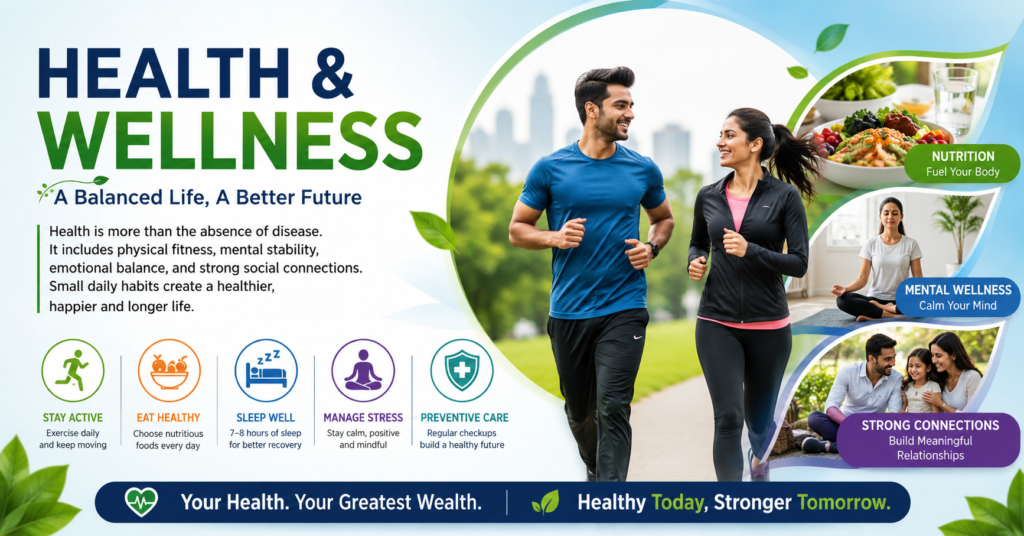
What does health mean in today’s modern world? Many people believe health only means being free from disease, but the true meaning of health is much broader. Health includes physical fitness, mental stability, emotional balance, and strong social connections. According to global wellness experts, the definition of health involves complete physical, mental, and social well-being. Understanding the importance of health can help people live happier and longer lives.
A healthy person is not only physically active but also mentally calm and emotionally strong. Modern lifestyles, stress, unhealthy eating habits, and lack of exercise can negatively affect overall wellness. That is why learning about health and wellness has become more important than ever. Whether you are a student, employee, parent, or senior citizen, maintaining good health should always be a top priority.
People often search for ways to improve their lifestyle because they want better energy, improved confidence, and protection from diseases. Following a healthy living guide can help individuals create a balanced routine that supports both body and mind. Small daily changes can make a huge difference in long-term wellness and personal well-being.
Physical Health and Why It Matters
Physical health is one of the most important parts of overall wellness. It refers to the proper functioning of the body and its systems. Good physical condition allows people to perform daily activities efficiently without excessive fatigue. Maintaining strong fitness and health can reduce the risk of chronic diseases and improve quality of life.
Exercise plays a major role in staying healthy. Regular workouts improve blood circulation, strengthen muscles, and support heart function. Many doctors recommend at least 30 minutes of physical activity every day because of the many health benefits of exercise. Activities like walking, jogging, yoga, cycling, and swimming help maintain body weight and increase energy levels.
Nutrition is another major factor in physical wellness. A balanced diet for health should include fruits, vegetables, proteins, healthy fats, and whole grains. Drinking enough water is equally important because hydration supports digestion and metabolism. People who follow proper nutrition habits usually experience improved concentration and better immunity.
In addition, preventive health care helps detect diseases early before they become serious. Regular checkups, vaccinations, and screenings protect individuals from future medical complications. Preventive care is one of the best methods to maintain long-term wellness and avoid expensive treatments later in life.
Healthy sleep is also essential for physical recovery. Adults generally need 7–8 hours of sleep every night to restore body energy and maintain proper hormone balance. Poor sleep habits may lead to stress, obesity, and low productivity. Combining good nutrition, exercise, sleep, and preventive care creates a powerful foundation for lifelong health.
Mental Health and Emotional Balance
Mental health is just as important as physical fitness. It affects how people think, feel, and behave in daily life. Good mental wellness allows individuals to handle stress, build relationships, and make better decisions. Emotional stability improves confidence and supports a healthy mind and body connection.
Modern life often creates stress because of work pressure, financial responsibilities, and social expectations. Effective stress management techniques can help people maintain emotional balance. Deep breathing exercises, meditation, yoga, and spending time in nature are simple ways to reduce stress naturally.
Another important aspect of mental wellness is emotional awareness. Emotional health helps people understand their feelings and respond positively to difficult situations. Individuals with strong emotional balance are better at solving problems and maintaining healthy relationships.
Sleep quality also influences mental performance. Poor sleep may increase anxiety and reduce concentration. Following proper bedtime habits can improve emotional stability and support overall wellness. Many experts suggest limiting screen time before bed and maintaining a regular sleep schedule.
Positive thinking and self-care are valuable mental wellness strategies. Reading motivational books, practicing gratitude, and spending time with loved ones can improve emotional well-being. Social support from family and friends also plays a key role in reducing stress and maintaining happiness.
People should never ignore signs of mental exhaustion. Seeking professional help when needed is a smart step toward emotional recovery. Therapy, counseling, and support groups can provide guidance and practical solutions for managing mental health challenges effectively.
Social Well-being and Human Connections
Social well-being refers to the ability to build healthy relationships and interact positively with others. Humans are social beings, and strong connections with family, friends, and communities improve emotional wellness and personal happiness.
Healthy communication is essential for strong relationships. Spending quality time with loved ones can reduce loneliness and improve emotional balance. Following useful family health tips such as eating meals together and supporting each other emotionally can strengthen family bonds.
Community support also contributes to overall health. Participating in local activities, volunteering, or helping others improves community health awareness and creates a sense of belonging. Positive social interactions can reduce stress and increase confidence.
The workplace also affects overall wellness. Long working hours and unhealthy environments may lead to stress and burnout. Following practical workplace health tips such as taking short breaks, maintaining posture, and managing workload can improve productivity and mental peace.
Strong relationships support personal well-being by creating emotional security and reducing feelings of isolation. People with healthy social connections often experience lower stress levels and better mental health outcomes.
Healthy Lifestyle Tips for Daily Wellness
A healthy lifestyle involves making smart daily choices that support overall well-being. Following effective healthy lifestyle tips can improve energy, immunity, and emotional balance. Small positive habits practiced consistently often lead to major long-term benefits.
One of the most important wellness habits is maintaining a proper routine. Waking up early, exercising regularly, and eating nutritious meals help improve physical and mental performance. Consistency is the key to developing lifelong healthy behaviors.
Another essential factor is hydration. Drinking enough water supports digestion, body temperature regulation, and skin health. Limiting sugary beverages and processed foods can also improve long-term wellness.
Creating healthy routines helps reduce stress and improve productivity. Planning meals, organizing tasks, and maintaining work-life balance are effective strategies for a healthier lifestyle. Simple habits like stretching in the morning or walking after meals can support physical fitness.
Practicing daily health habits such as handwashing, proper hygiene, and regular exercise helps prevent illnesses. Good hygiene also reduces the spread of infections and supports community wellness.
Self-care is equally important for emotional balance. Self-care for health may include meditation, relaxation, hobbies, or spending time outdoors. These activities improve mood and reduce mental fatigue.
A complete healthy living guide should include physical activity, proper nutrition, emotional wellness, and social interaction. People who maintain balanced lifestyles often experience better sleep, improved concentration, and stronger immunity.
Nutrition and Wellness
Good nutrition is the foundation of a healthy life. Proper food choices directly influence energy levels, immunity, and emotional stability. Understanding the connection between nutrition and health helps people make smarter dietary decisions.
A nutritious diet should include proteins, fiber, vitamins, minerals, and healthy fats. Following healthy eating habits such as eating fresh foods and limiting processed snacks supports overall wellness and disease prevention.
Fruits and vegetables contain antioxidants that protect the body from harmful toxins. Whole grains provide long-lasting energy, while proteins help repair muscles and tissues. Healthy fats from nuts and seeds support brain function and heart health.
Many people also follow useful nutrition tips for wellness such as portion control and mindful eating. Eating slowly and avoiding overeating can improve digestion and weight management.
Hydration is another critical aspect of wellness. Drinking sufficient water supports metabolism and helps remove toxins from the body. Proper hydration also improves skin appearance and energy levels.
A strong diet supports health improvement tips by reducing the risk of obesity, diabetes, and heart disease. Combined with regular exercise, proper nutrition contributes to long-term vitality and happiness.
Many experts now recommend a holistic health approach, which focuses on balancing physical, mental, and emotional wellness together. This method encourages natural healing, balanced nutrition, and healthy lifestyle habits.
Preventive Health Care and Disease Prevention
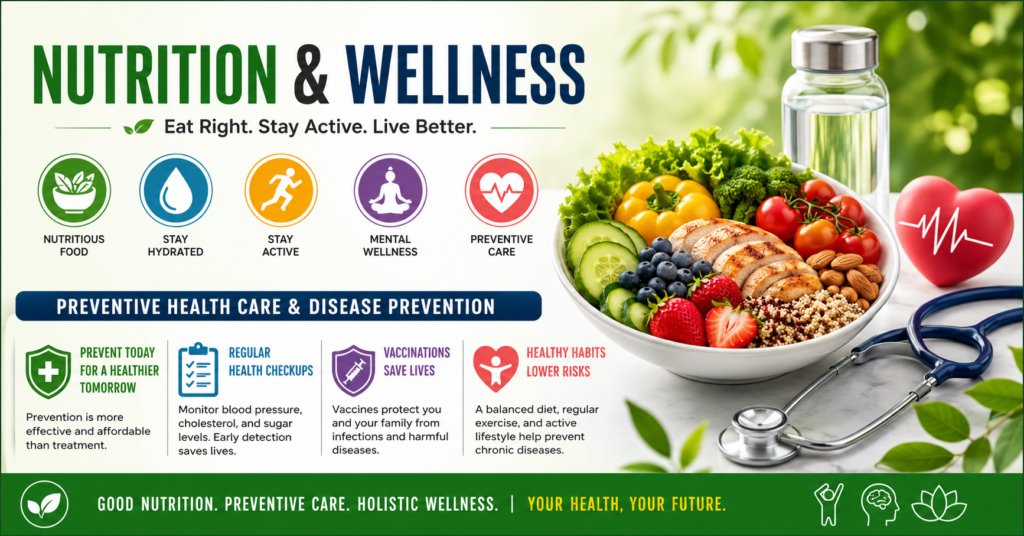
Preventive medicine focuses on avoiding diseases before they develop. Prevention is often more effective and affordable than treatment. Regular medical checkups help identify health problems early and improve recovery chances.
Following important health checkup tips such as monitoring blood pressure, cholesterol, and sugar levels can help prevent serious illnesses. Vaccinations also protect people from infections and harmful diseases.
One major goal of prevention is chronic disease prevention. Diseases like diabetes, heart disease, and obesity are often linked to unhealthy lifestyles. Maintaining a healthy diet and active routine can significantly lower these risks.
Modern health care solutions encourage early diagnosis, healthy habits, and regular screenings. Preventive care empowers people to take control of their wellness and improve life expectancy.
Fitness and Exercise for Better Health
Regular movement is essential for strong physical wellness. Following effective fitness routines for health can improve flexibility, muscle strength, and cardiovascular performance.
Different age groups require different exercise plans. Children benefit from active play and sports, while adults may focus on walking, gym workouts, or yoga. Seniors can improve mobility with stretching and low-impact activities.
Daily exercise and fitness routines also support mental health by reducing stress hormones and increasing happiness. Physical activity improves sleep quality and boosts self-confidence.
A complete physical fitness guide includes strength training, cardio exercises, and flexibility workouts. Consistency is more important than intensity when building healthy habits.
The many health benefits of exercise include weight management, improved immunity, better heart health, and reduced anxiety. Even small amounts of daily movement can create significant long-term improvements.
Emotional Wellness and Stress Management
Emotional balance is essential for living a peaceful life. Following useful emotional well-being tips can improve confidence, relationships, and mental stability.
One effective strategy is strengthening the mind-body connection through meditation, yoga, and breathing exercises. These activities help calm the nervous system and reduce emotional stress.
Developing a healthy mind and body requires proper sleep, positive thinking, and emotional awareness. Spending time with supportive people can also improve emotional resilience.
Managing stress is extremely important in modern life. Effective stress management techniques include exercise, relaxation, journaling, and limiting negative influences. People who manage stress properly often experience improved focus and better emotional control.
Conclusion
So, what does health mean in reality? Health is much more than simply avoiding illness. It includes physical fitness, emotional stability, mental wellness, and positive social relationships. Understanding the true importance of health allows people to make smarter lifestyle choices and enjoy better quality of life.
Developing healthy habits for life such as exercise, proper nutrition, stress management, and preventive care can improve long-term wellness. Small daily improvements often lead to major health benefits over time.
Modern lifestyles may create challenges, but adopting practical health improvement strategies can help people maintain balance and happiness. A healthy body, calm mind, and supportive social environment together create complete wellness.
Ultimately, learning what does health mean helps individuals focus on total well-being rather than temporary solutions. By following healthy routines and making mindful choices every day, anyone can move toward a healthier and more fulfilling life.