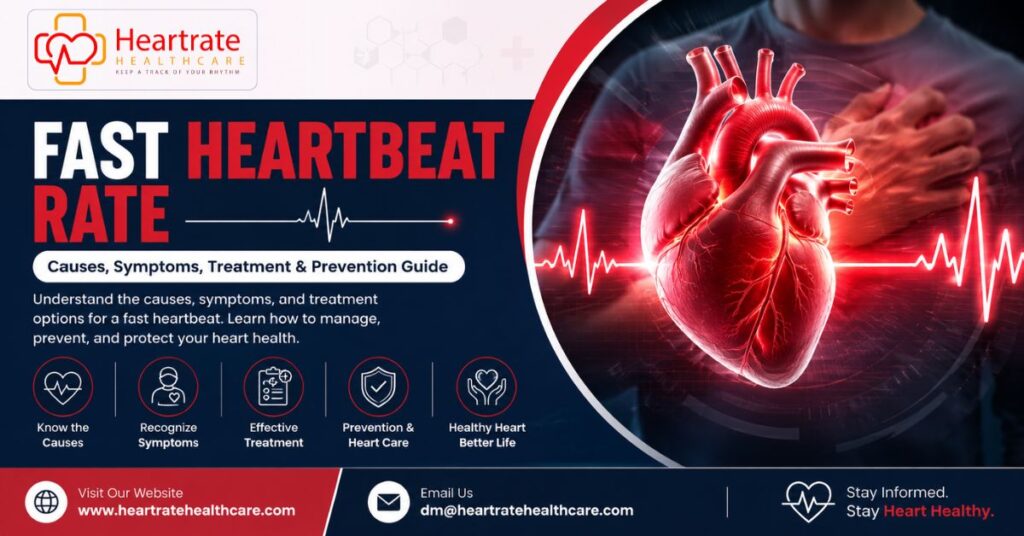

Fast Heartbeat Rate: Causes, Symptoms, Treatment & Prevention Guide
A Fast Heartbeat Rate is a common condition experienced by people of all ages. While occasional increases in heart rate are normal during exercise, stress, or excitement, a consistently Fast Heartbeat Rate may indicate an underlying health concern that requires medical attention. Understanding the causes, symptoms, diagnosis, treatment options, and preventive measures can help individuals maintain better cardiovascular health.
At Heartrate Healthcare (HRHC), we believe that awareness and early intervention are essential for maintaining a healthy heart. This comprehensive guide explains everything you need to know about a fast heartbeat and when it becomes a cause for concern.
What Is a Fast Heartbeat Rate?
A heart rate refers to the number of times your heart beats per minute (BPM). For most adults, a normal resting heart rate ranges between 60 and 100 beats per minute. When the heart beats faster than 100 BPM at rest, the condition is known as tachycardia.
A temporary increase in heart rate is often harmless. However, a prolonged or frequent elevation can affect blood circulation and increase the risk of complications.
Understanding Heart Rate Variations
Your heart rate naturally changes throughout the day based on several factors, including:
- Physical activity
- Emotional stress
- Anxiety
- Caffeine consumption
- Medications
- Body temperature
- Hormonal changes
These fluctuations are generally normal. Problems arise when the heart continues beating rapidly without a clear reason.
Common Causes of Fast Heartbeat
Many factors can contribute to a rapid heart rate. Some causes are harmless, while others require immediate medical evaluation.
1. Stress and Anxiety
Stress triggers the release of adrenaline, causing the heart to beat faster. Chronic stress and anxiety disorders often result in persistent heart palpitations and elevated pulse rates.
2. Physical Activity
Exercise increases the body’s oxygen demand, making the heart pump faster. This is a healthy and expected response.
3. Fever and Infection
During illness, the body works harder to fight infection, leading to an increased heart rate.
4. Excessive Caffeine Intake
Coffee, energy drinks, and certain sodas contain stimulants that can increase heart rate and trigger palpitations.
5. Smoking and Nicotine
Nicotine stimulates the cardiovascular system, causing blood vessels to constrict and the heart to beat faster.
6. Dehydration
When the body lacks adequate fluids, blood volume decreases. The heart compensates by beating faster to maintain circulation.
7. Heart Conditions
Several cardiovascular disorders can cause tachycardia, including:
- Atrial fibrillation
- Atrial flutter
- Supraventricular tachycardia
- Ventricular tachycardia
- Congenital heart defects
8. Thyroid Disorders
An overactive thyroid gland can significantly increase metabolism and heart rate.
9. Anemia
Low red blood cell levels reduce oxygen delivery throughout the body, forcing the heart to work harder.
10. Certain Medications
Some medications may cause a rapid heartbeat as a side effect, including:
- Asthma inhalers
- Decongestants
- Weight-loss medications
- Certain antidepressants
Symptoms of a Fast Heartbeat Rate
People experience symptoms differently depending on the cause and severity of the condition.
Common symptoms include:
- Heart palpitations
- Racing heartbeat
- Chest discomfort
- Shortness of breath
- Dizziness
- Lightheadedness
- Fatigue
- Weakness
- Sweating
- Fainting episodes
Some individuals may experience no symptoms at all and only discover the issue during a routine health examination.
When Does a Fast Heartbeat Become Dangerous?
A rapid heartbeat becomes concerning when it:
- Occurs while resting
- Persists for long periods
- Causes chest pain
- Leads to fainting
- Produces severe shortness of breath
- Is accompanied by low blood pressure
Emergency medical care should be sought if symptoms suggest a serious heart rhythm disorder or cardiac event.
Types of Tachycardia
Different forms of tachycardia affect different parts of the heart.
Sinus Tachycardia
This occurs when the heart’s natural pacemaker generates signals more rapidly than usual.
Supraventricular Tachycardia (SVT)
SVT originates in the upper chambers of the heart and often causes sudden episodes of rapid heartbeat.
Atrial Fibrillation
Atrial fibrillation is an irregular and often rapid rhythm that increases stroke risk.
Ventricular Tachycardia
This serious condition begins in the lower chambers and may become life-threatening if untreated.
Risk Factors
Several factors increase the likelihood of developing a rapid heart rate.
These include:
- High blood pressure
- Obesity
- Smoking
- Excessive alcohol consumption
- Chronic stress
- Sleep disorders
- Family history of heart disease
- Diabetes
- Thyroid problems
Managing these risk factors can significantly improve heart health.
How Doctors Diagnose a Fast Heartbeat Rate
Healthcare professionals use several tests to determine the cause of tachycardia.
Physical Examination
The doctor reviews symptoms, medical history, and lifestyle habits.
Electrocardiogram (ECG)
An ECG records the electrical activity of the heart and helps identify rhythm abnormalities.
Holter Monitor
This portable device continuously monitors heart activity over 24 to 48 hours.
Echocardiogram
Ultrasound imaging evaluates heart structure and function.
Blood Tests
Laboratory tests help detect:
- Thyroid disorders
- Anemia
- Infections
- Electrolyte imbalances
Stress Testing
Exercise testing helps assess heart function during physical activity.
Treatment Options for Fast Heartbeat
Treatment depends on the underlying cause and severity of symptoms.
Lifestyle Changes
Many people can improve symptoms through healthy lifestyle adjustments.
Recommended measures include:
- Reducing caffeine intake
- Quitting smoking
- Managing stress
- Staying hydrated
- Maintaining healthy body weight
- Exercising regularly
Medications
Doctors may prescribe medications such as:
- Beta-blockers
- Calcium channel blockers
- Antiarrhythmic drugs
These medications help control heart rate and restore normal rhythm.
Vagal Maneuvers
Simple techniques may help slow the heart rate during certain episodes of tachycardia.
Examples include:
- Deep breathing
- Bearing down as if having a bowel movement
- Splashing cold water on the face
Electrical Cardioversion
In some cases, controlled electrical shocks help restore a normal heart rhythm.
Catheter Ablation
This minimally invasive procedure targets abnormal electrical pathways causing rapid heartbeats.
Implantable Devices
Patients with severe rhythm disorders may require:
- Pacemakers
- Implantable cardioverter-defibrillators (ICDs)
Natural Ways to Support Heart Health
Several natural strategies may help maintain a healthy heart rhythm.
Stay Physically Active
Regular exercise strengthens the cardiovascular system and improves circulation.
Eat a Heart-Healthy Diet
Focus on foods such as:
- Fruits
- Vegetables
- Whole grains
- Lean proteins
- Nuts
- Seeds
Manage Stress Effectively
Stress management techniques include:
- Meditation
- Yoga
- Deep breathing exercises
- Mindfulness practices
Get Adequate Sleep
Poor sleep quality can negatively affect heart rhythm and overall cardiovascular health.
Limit Alcohol Consumption
Excessive alcohol intake can trigger heart rhythm disturbances and palpitations.
Complications of Untreated Fast Heartbeat
Without treatment, persistent tachycardia can lead to serious complications.
Potential risks include:
- Heart failure
- Blood clots
- Stroke
- Cardiac arrest
- Reduced heart function
Early diagnosis and treatment significantly reduce these risks.
Prevention Tips
Preventive measures can help lower the risk of developing abnormal heart rhythms.
Maintain a Healthy Weight
Excess weight places additional strain on the heart.
Control Blood Pressure
Regular monitoring and treatment help protect cardiovascular health.
Monitor Cholesterol Levels
Healthy cholesterol levels reduce the risk of heart disease.
Avoid Excessive Stimulants
Limiting caffeine and nicotine can help prevent rapid heartbeats.
Schedule Regular Health Checkups
Routine medical examinations help identify problems before they become serious.
Fast Heartbeat in Different Age Groups
Children
Rapid heart rates in children are often linked to fever, dehydration, or physical activity.
Adults
Lifestyle factors, stress, and underlying heart conditions are common causes.
Older Adults
Aging increases the risk of atrial fibrillation and other rhythm disorders.
Frequently Asked Questions
Is a Fast Heartbeat Always Dangerous?
No. Temporary increases due to exercise, excitement, or stress are usually normal. Persistent rapid heartbeats should be evaluated by a healthcare provider.
What Heart Rate Is Considered Too High?
A resting heart rate consistently above 100 BPM in adults may indicate tachycardia.
Can Anxiety Cause a Fast Heartbeat?
Yes. Anxiety frequently triggers adrenaline release, resulting in a faster pulse.
How Can I Reduce My Heart Rate Naturally?
Hydration, relaxation techniques, regular exercise, quality sleep, and limiting caffeine often help maintain a healthy heart rate.
Should I See a Doctor for Heart Palpitations?
You should seek medical advice if palpitations occur frequently or are accompanied by dizziness, chest pain, or shortness of breath.
Conclusion
A Fast Heartbeat Rate can occur for many reasons, ranging from normal physical activity to serious heart rhythm disorders. Understanding the causes, recognizing symptoms, and seeking timely medical evaluation are essential steps toward protecting cardiovascular health. Lifestyle improvements, proper medical care, and preventive strategies can significantly reduce complications and improve quality of life.
Heartrate Healthcare (HRHC) is committed to providing reliable healthcare information, heart health awareness, and patient-focused guidance to help individuals make informed decisions about their well-being.