
Good Health Heart Rate: Understanding the Key to a Healthy Life
A Good Health Heart Rate is one of the most important indicators of overall health and wellness. Your heart works continuously to pump blood throughout your body, delivering oxygen and nutrients to vital organs. Monitoring your Heart Rate can help identify potential health concerns early and support long-term cardiovascular wellness.
At Heartrate Healthcare (HRHC), we believe that understanding heart health is essential for maintaining a healthy lifestyle. Whether you are focused on fitness, disease prevention, or improving your overall well-being, knowing your heart rate can provide valuable insights into your body’s condition.
A healthy heart contributes to better energy levels, improved physical performance, enhanced mental clarity, and a lower risk of cardiovascular diseases. By understanding what constitutes a normal heart rate and the factors that influence it, individuals can make informed decisions about their health.
What Is Heart Rate?
Heart rate refers to the number of times your heart beats per minute (BPM). It is a critical measurement used by healthcare professionals to assess cardiovascular function and overall health status.
Your heart rate changes throughout the day depending on various factors such as:
- Physical activity
- Emotional state
- Age
- Fitness level
- Body temperature
- Medications
- Stress levels
Maintaining a Good Health Heart Rate helps ensure that your heart efficiently supplies blood and oxygen to your body’s tissues.
Why Good Health Heart Rate Matters
A healthy heart rate is often associated with strong cardiovascular fitness and efficient heart function. When your heart does not need to work excessively to pump blood, it can reduce strain on the cardiovascular system.
Benefits of maintaining a healthy heart rate include:
- Improved circulation
- Better oxygen delivery
- Enhanced endurance
- Reduced risk of heart disease
- Lower blood pressure
- Better sleep quality
- Increased energy levels
- Improved mental health
Understanding your Good Health Heart Rate can help you recognize changes that may indicate underlying health conditions requiring medical attention.
Normal Heart Rate Ranges
Heart rate varies by age and physical condition. The following ranges are generally considered normal:
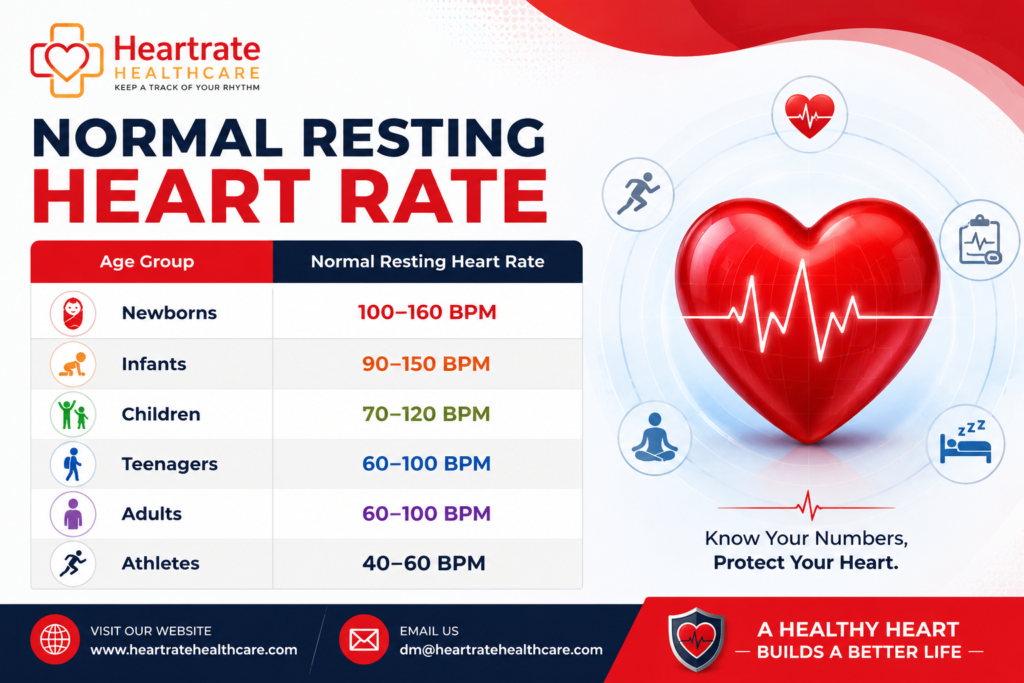
Individuals with excellent cardiovascular fitness often have lower resting heart rates because their hearts pump blood more efficiently.
Resting Heart Rate and Health
Resting heart rate is measured when the body is relaxed and at rest. It is one of the most useful indicators of cardiovascular fitness.
A lower resting heart rate often suggests:
- Better heart efficiency
- Strong cardiovascular conditioning
- Improved circulation
- Reduced cardiovascular stress
However, an extremely low heart rate accompanied by symptoms such as dizziness, fatigue, or fainting may require medical evaluation.
Monitoring your Good Health Heart Rate regularly can help identify trends and support preventive healthcare.
Factors That Affect Heart Rate
Several factors can influence your heart rate throughout the day.
Physical Activity
Exercise naturally increases heart rate to meet the body’s oxygen demands. Regular exercise strengthens the heart and can lower resting heart rate over time.
Stress and Anxiety
Mental stress stimulates the release of stress hormones, causing the heart to beat faster.
Age
Heart rate patterns change as individuals age. Older adults may experience different resting and exercise heart rate ranges.
Medications
Certain medications can either increase or decrease heart rate depending on their effects on the cardiovascular system.
Body Temperature
Fever and high environmental temperatures can temporarily elevate heart rate.
Hydration
Dehydration forces the heart to work harder, increasing heart rate.
Maintaining hydration, reducing stress, and staying physically active can support a healthy cardiovascular system.
Good Health Heart Rate and Physical Fitness
Physical fitness plays a major role in heart health. Regular exercise strengthens the heart muscle, allowing it to pump blood more effectively.
Recommended activities include:
- Walking
- Running
- Cycling
- Swimming
- Strength training
- Yoga
- Aerobic exercises
Individuals who exercise consistently often develop a lower resting heart rate, reflecting improved cardiovascular efficiency.
At Heartrate Healthcare (HRHC), we encourage combining aerobic exercise with strength training for optimal heart health benefits.
Target Heart Rate During Exercise
Target heart rate zones help individuals exercise safely and effectively.
General target heart rate guidelines:
| Exercise Intensity | Percentage of Maximum Heart Rate |
|---|---|
| Moderate | 50%–70% |
| Vigorous | 70%–85% |
A healthy exercise routine should maintain your heart rate within these recommended ranges to maximize cardiovascular benefits.
Tracking your Good Health Heart Rate during workouts can improve exercise performance and safety.
Signs of an Unhealthy Heart Rate
Heart rate abnormalities may indicate underlying medical conditions.
Common warning signs include:
- Persistent rapid heartbeat
- Extremely slow heartbeat
- Chest pain
- Shortness of breath
- Dizziness
- Fainting
- Fatigue
- Irregular heartbeat
If these symptoms occur, consultation with a healthcare professional is recommended.
How to Measure Heart Rate
Measuring heart rate is simple and can be done at home.
Manual Method
- Place two fingers on your wrist or neck.
- Locate the pulse.
- Count beats for 60 seconds.
- Record the total number.
Digital Devices
Popular options include:
- Fitness trackers
- Smartwatches
- Heart rate monitors
- Mobile health applications
Regular monitoring helps individuals maintain awareness of their cardiovascular health.
Nutrition for Good Heart Health
Nutrition directly affects cardiovascular function and heart rate stability.
Heart-friendly foods include:
Fruits and Vegetables
Rich in vitamins, minerals, and antioxidants that support cardiovascular health.
Whole Grains
Provide fiber that helps maintain healthy cholesterol levels.
Lean Proteins
Support muscle health without excessive saturated fat intake.
Healthy Fats
Sources include:
- Avocados
- Nuts
- Seeds
- Olive oil
Omega-3 Fatty Acids
Found in fish such as salmon and tuna, omega-3s support heart health and circulation.
A balanced diet contributes significantly to maintaining a Good Health Heart Rate and reducing cardiovascular risk factors.
Lifestyle Habits That Support Heart Health
Several lifestyle choices can improve heart function and promote long-term wellness.
Exercise Regularly
Aim for at least 150 minutes of moderate exercise per week.
Manage Stress
Stress management techniques include:
- Meditation
- Deep breathing
- Yoga
- Mindfulness practices
Get Quality Sleep
Adults should aim for 7–9 hours of sleep per night.
Avoid Smoking
Smoking damages blood vessels and increases cardiovascular risk.
Limit Alcohol Consumption
Excessive alcohol intake can negatively impact heart rhythm and blood pressure.
These habits help maintain a healthy cardiovascular system and support a stable heart rate.
Good Health Heart Rate and Chronic Disease Prevention
Monitoring heart rate can assist in preventing several chronic health conditions.
Heart Disease
Abnormal heart rate patterns may indicate cardiovascular issues requiring medical evaluation.
Hypertension
Elevated blood pressure often affects heart function and heart rate.
Diabetes
Diabetes can damage blood vessels and affect cardiovascular health.
Obesity
Excess body weight places additional strain on the heart.
Maintaining a healthy lifestyle supports disease prevention and promotes overall wellness.
Technology and Heart Rate Monitoring
Modern technology makes heart health monitoring easier than ever.
Useful tools include:
- Wearable fitness devices
- Smart health watches
- Mobile wellness apps
- Digital blood pressure monitors
These technologies help users track trends and make informed healthcare decisions.
At Heartrate Healthcare (HRHC), we recognize the growing importance of digital health tools in preventive care and wellness management.
When to Consult a Healthcare Professional
Professional medical guidance should be sought if you experience:
- Consistent heart rate abnormalities
- Frequent palpitations
- Chest discomfort
- Severe fatigue
- Unexplained dizziness
- Exercise intolerance
Early intervention can improve outcomes and prevent complications.
The Future of Heart Health Monitoring
Advancements in healthcare technology continue to improve cardiovascular monitoring.
Emerging innovations include:
- Artificial intelligence diagnostics
- Remote patient monitoring
- Wearable ECG devices
- Predictive health analytics
- Personalized wellness tracking
These advancements are helping individuals manage their cardiovascular health more effectively.
Conclusion
A Good Health Heart Rate is a powerful indicator of overall wellness and cardiovascular fitness. Understanding your heart rate, maintaining a healthy lifestyle, exercising regularly, eating nutritious foods, and monitoring cardiovascular health can significantly improve quality of life.
Heartrate Healthcare (HRHC) remains committed to promoting awareness, education, and preventive healthcare solutions that empower individuals to achieve optimal heart health. By taking proactive steps today, you can support a stronger heart, better physical performance, and long-term well-being.