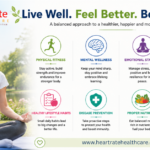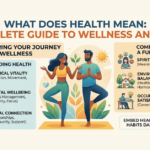


Health is one of the most valuable parts of human life. Every person wants to stay healthy, feel energetic, and enjoy a long and happy life. But many people still ask the important question: What does health mean? Health is not only about avoiding disease or taking medicine when you feel sick. It is much more than that. True health includes physical fitness, mental balance, emotional stability, social connection, and overall well-being.
At Heartrate Healthcare (HRHC), we believe that understanding the real meaning of health helps people make better decisions for their lives. Health affects the way we think, work, communicate, sleep, and enjoy everyday activities. A healthy body and a healthy mind work together to create a better quality of life.
The World Health Organization defines health as a state of complete physical, mental, and social well-being, not merely the absence of disease or weakness. This definition explains that health is a complete lifestyle condition. It is about living in balance and maintaining wellness in every area of life.
Modern healthcare systems focus not only on treatment but also on prevention, awareness, early diagnosis, healthy habits, emotional support, and long-term wellness management. Health today is connected with nutrition, exercise, stress management, sleep quality, preventive care, and emotional support.
In this detailed guide by Heartrate Healthcare (HRHC), you will learn:
- The true meaning of health
- Different types of health
- Importance of physical and mental wellness
- Daily habits for better health
- Role of nutrition and exercise
- Emotional and social well-being
- Healthcare technology and preventive care
- Tips for maintaining a healthy lifestyle
- Common health challenges in modern life
- Future of healthcare and wellness
This article is written in easy language so everyone can understand the concept of health and apply it in daily life.
Understanding the True Meaning of Health
When people hear the word health, they often think about hospitals, medicines, doctors, or diseases. However, health has a much broader meaning. Health refers to the overall condition of a person’s body, mind, and social life.
A healthy person can:
- Perform daily activities efficiently
- Handle stress effectively
- Build positive relationships
- Maintain emotional balance
- Stay physically active
- Think clearly and positively
- Enjoy life with confidence
Health is not something temporary. It is a continuous process of maintaining balance in life. A person may look physically fit but struggle mentally. Another person may have emotional stress while appearing socially active. True health exists when all areas of life work together in harmony.
At Heartrate Healthcare (HRHC), healthcare professionals emphasize preventive care and lifestyle management because long-term wellness depends on everyday habits.
The Different Types of Health
1. Physical Health
Physical health refers to the condition of the human body. It includes proper functioning of organs, muscles, bones, heart, lungs, and body systems.
Good physical health helps people:
- Stay energetic
- Reduce disease risk
- Improve immunity
- Maintain healthy body weight
- Increase stamina and strength
- Sleep better
- Improve productivity
Signs of Good Physical Health
- Stable energy levels
- Healthy skin and hair
- Good appetite
- Balanced body weight
- Strong immunity
- Proper sleep patterns
- Active lifestyle
Ways to Improve Physical Health
- Exercise regularly
- Eat nutritious food
- Drink enough water
- Sleep 7–8 hours daily
- Avoid smoking and alcohol abuse
- Get regular health checkups
- Maintain proper hygiene
Physical wellness is one of the foundations of a healthy life. Without proper physical care, the body becomes weak and vulnerable to diseases.
2. Mental Health
Mental health refers to emotional, psychological, and cognitive well-being. It affects how people think, feel, behave, and react to situations.
Mental health is extremely important in today’s fast-paced world. Work stress, financial pressure, social media, relationship problems, and lifestyle imbalance can negatively affect mental wellness.
Signs of Good Mental Health
- Positive thinking
- Emotional stability
- Ability to manage stress
- Healthy relationships
- Good concentration
- Self-confidence
- Motivation and productivity
Common Mental Health Challenges
- Anxiety
- Depression
- Stress disorders
- Burnout
- Emotional exhaustion
- Sleep disorders
How to Improve Mental Health
- Practice mindfulness
- Exercise regularly
- Spend time with loved ones
- Limit stress
- Take breaks from technology
- Sleep properly
- Seek professional support when needed
At Heartrate Healthcare (HRHC), mental wellness is considered equally important as physical wellness because both directly influence overall health.
3. Emotional Health
Emotional health involves understanding, expressing, and managing emotions properly. Emotionally healthy people can handle difficult situations calmly and maintain emotional balance.
Characteristics of Emotional Wellness
- Emotional control
- Positive attitude
- Self-awareness
- Healthy coping skills
- Good communication
- Strong confidence
Improving Emotional Health
- Practice gratitude
- Talk openly about feelings
- Avoid toxic environments
- Build healthy relationships
- Learn stress management techniques
- Focus on self-care
Emotional wellness helps people feel more confident, calm, and mentally stable.
4. Social Health
Social health refers to the ability to interact positively with others and build healthy relationships.
Humans are social beings, and strong relationships contribute to happiness and emotional support.
Importance of Social Health
- Reduces loneliness
- Improves emotional stability
- Builds confidence
- Encourages positive behavior
- Supports mental wellness
Ways to Improve Social Health
- Spend time with family
- Build supportive friendships
- Join community activities
- Practice communication skills
- Respect others
- Help people in need
Healthy social connections improve both mental and emotional well-being.
5. Spiritual Health
Spiritual health focuses on finding purpose, meaning, and inner peace in life.
Spiritual wellness does not always relate to religion. It can include meditation, mindfulness, personal values, and self-awareness.
Benefits of Spiritual Health
- Reduces stress
- Increases inner peace
- Improves emotional stability
- Encourages positive thinking
- Helps people handle difficult situations
Ways to Improve Spiritual Wellness
- Meditation
- Prayer
- Gratitude practices
- Spending time in nature
- Self-reflection
- Helping others
Why Health Is Important
Health is the foundation of a successful and happy life. Without good health, it becomes difficult to enjoy work, relationships, education, travel, and daily activities.
Benefits of Good Health
Better Quality of Life
Healthy people feel more energetic, confident, and capable of achieving goals.
Increased Productivity
Good health improves concentration, focus, and performance.
Lower Medical Costs
Preventive care and healthy habits reduce healthcare expenses.
Longer Life Expectancy
Healthy lifestyles lower the risk of chronic diseases.
Improved Mental Well-Being
Healthy individuals experience better emotional balance and reduced stress.
Stronger Immunity
Good health supports the immune system and protects the body from infections.
At Heartrate Healthcare (HRHC), healthcare experts focus on preventive wellness because maintaining health is easier than treating serious diseases later.
The Relationship Between Lifestyle and Health
Lifestyle choices directly affect health outcomes. Poor habits can lead to obesity, diabetes, heart disease, stress, and other serious conditions.
Healthy Lifestyle Habits
Balanced Nutrition
Nutritious food provides vitamins, minerals, and energy needed for body function.
Regular Exercise
Exercise strengthens muscles, improves circulation, and supports heart health.
Proper Sleep
Sleep allows the body and mind to recover and function properly.
Hydration
Drinking water supports digestion, circulation, and detoxification.
Stress Management
Controlling stress improves emotional and mental wellness.
Avoiding Harmful Habits
Smoking, excessive alcohol, and drug abuse damage overall health.
Healthy habits create long-term wellness and reduce disease risks.
The Importance of Nutrition in Health
Nutrition is one of the most important factors in maintaining good health.
The body requires nutrients to:
- Produce energy
- Build muscles
- Repair tissues
- Support brain function
- Strengthen immunity
- Maintain organ function
Essential Nutrients
Proteins
Help build muscles and repair tissues.
Carbohydrates
Provide energy for daily activities.
Healthy Fats
Support brain and heart health.
Vitamins
Support body systems and immunity.
Minerals
Help maintain bone health and metabolism.
Fiber
Supports digestion and gut health.
Water
Maintains hydration and body balance.
Healthy Eating Habits
Developing healthy eating habits is essential for long-term wellness.
Tips for Healthy Eating
- Eat fresh fruits and vegetables
- Avoid excessive sugar
- Reduce processed food intake
- Eat balanced meals
- Control portion sizes
- Avoid overeating
- Drink enough water
- Include protein in meals
- Choose whole grains
Healthy nutrition improves energy levels, immunity, and mental clarity.
Exercise and Physical Fitness
Exercise is essential for maintaining physical and mental health.
Benefits of Regular Exercise
- Improves heart health
- Reduces obesity risk
- Strengthens muscles and bones
- Boosts mental wellness
- Improves flexibility
- Supports healthy aging
- Enhances sleep quality
- Increases stamina
Types of Exercise
Cardio Exercise
Walking, running, swimming, and cycling improve heart health.
Strength Training
Builds muscles and bone density.
Flexibility Exercises
Yoga and stretching improve mobility.
Balance Training
Helps prevent injuries and supports stability.
Experts at Heartrate Healthcare (HRHC) recommend at least 30 minutes of physical activity most days of the week.
The Role of Sleep in Overall Health
Sleep is necessary for body recovery and mental function.
Lack of sleep can affect:
- Brain performance
- Memory
- Mood
- Immunity
- Heart health
- Productivity
Tips for Better Sleep
- Maintain a regular sleep schedule
- Avoid screens before bedtime
- Reduce caffeine intake at night
- Create a comfortable sleeping environment
- Practice relaxation techniques
Good sleep improves both physical and mental wellness.
Stress and Its Impact on Health
Stress is a common problem in modern life.
Short-term stress may help people stay alert, but chronic stress negatively affects health.
Effects of Stress
- High blood pressure
- Anxiety
- Depression
- Headaches
- Sleep disorders
- Digestive problems
- Reduced immunity
Stress Management Techniques
- Meditation
- Deep breathing
- Exercise
- Time management
- Healthy hobbies
- Social support
- Professional counseling
Managing stress is essential for maintaining overall wellness.
Understanding Preventive Healthcare
Preventive healthcare focuses on stopping diseases before they become serious.
Examples of Preventive Healthcare
- Regular health checkups
- Vaccinations
- Blood pressure monitoring
- Diabetes screening
- Cancer screening
- Healthy lifestyle education
Preventive care helps identify risks early and improves long-term health outcomes.
At Heartrate Healthcare (HRHC), preventive healthcare services play a major role in supporting patient wellness.
Common Health Problems in Modern Society
Modern lifestyles have increased several health risks worldwide.
Obesity
Poor diet and lack of exercise contribute to obesity.
Heart Disease
Unhealthy habits increase cardiovascular risks.
Diabetes
High sugar intake and obesity contribute to diabetes.
Mental Health Disorders
Stress and social pressures affect emotional wellness.
Hypertension
High blood pressure increases heart disease risk.
Sleep Disorders
Technology overuse and stress disrupt sleep patterns.
Healthcare awareness and healthy habits can help reduce these risks.
Technology and Modern Healthcare
Healthcare technology has transformed the medical industry.
Benefits of Healthcare Technology
- Faster diagnosis
- Better patient monitoring
- Improved treatment planning
- Online consultations
- Electronic health records
- Remote healthcare access
Digital Health Innovations
- Telemedicine
- Wearable health devices
- AI-powered diagnostics
- Health tracking apps
- Virtual healthcare support
At Heartrate Healthcare (HRHC), technology-driven healthcare solutions improve patient care and operational efficiency.
Importance of Heart Health
The heart is one of the most important organs in the body.
Maintaining heart health is essential for overall wellness.
Tips for Healthy Heart Function
- Exercise regularly
- Eat heart-friendly foods
- Avoid smoking
- Reduce stress
- Monitor blood pressure
- Maintain healthy cholesterol levels
- Sleep adequately
Warning Signs of Heart Problems
- Chest pain
- Irregular heartbeat
- Shortness of breath
- Fatigue
- Dizziness
Early medical attention can help prevent serious complications.
The Connection Between Mental and Physical Health
Mental and physical health are closely connected.
Poor mental health can increase physical illness risk, while physical illness can negatively affect emotional wellness.
Examples of the Connection
- Stress may increase blood pressure
- Depression can reduce physical activity
- Anxiety may affect digestion
- Exercise improves mood and mental clarity
Balanced healthcare should focus on both body and mind.
The Importance of Hydration
Water is essential for survival and proper body function.
Benefits of Hydration
- Supports digestion
- Regulates body temperature
- Maintains energy levels
- Improves skin health
- Supports circulation
- Removes toxins
Most adults should drink enough water daily to maintain hydration.
Building Healthy Daily Routines
Healthy routines create long-term wellness.
Daily Habits for Better Health
- Wake up early
- Eat nutritious meals
- Exercise regularly
- Stay hydrated
- Take breaks from screens
- Practice mindfulness
- Sleep on time
Consistency is the key to maintaining health.
The Importance of Workplace Wellness
Work environments significantly influence health.
Long working hours, poor posture, and stress can negatively affect employees.
Workplace Wellness Strategies
- Ergonomic workstations
- Mental health support
- Breaks during work
- Employee fitness programs
- Healthy office culture
Organizations that prioritize wellness often experience improved productivity and employee satisfaction.
Family Health and Community Wellness
Health is not only individual but also connected to families and communities.
Healthy communities support:
- Disease prevention
- Better healthcare access
- Mental wellness awareness
- Fitness activities
- Public safety
Families play a major role in encouraging healthy habits among children and adults.
The Importance of Healthcare Education
Health education helps people understand how to make informed decisions.
Benefits of Healthcare Awareness
- Better lifestyle choices
- Disease prevention
- Early diagnosis
- Improved hygiene
- Increased medical understanding
Educational healthcare campaigns improve public wellness.
How Environment Affects Health
Environmental conditions directly affect wellness.
Environmental Factors Influencing Health
- Air pollution
- Water quality
- Noise pollution
- Climate change
- Workplace conditions
- Housing quality
Creating healthier environments improves quality of life.
Child Health and Development
Children require proper nutrition, exercise, emotional support, and healthcare for healthy growth.
Important Areas of Child Health
- Vaccination
- Balanced nutrition
- Physical activity
- Mental development
- Sleep quality
- Emotional support
Healthy childhood habits often continue into adulthood.
Women’s Health and Wellness
Women’s health includes physical, emotional, reproductive, and hormonal wellness.
Important Women’s Health Areas
- Prenatal care
- Reproductive health
- Mental wellness
- Nutrition
- Bone health
- Preventive screening
Regular healthcare checkups are important for women’s long-term wellness.
Men’s Health Awareness
Men often ignore preventive healthcare and regular medical checkups.
Common Men’s Health Concerns
- Heart disease
- High blood pressure
- Diabetes
- Stress
- Obesity
Healthy lifestyle choices can significantly improve men’s wellness.
Healthy Aging and Senior Wellness
Aging is a natural process, but healthy habits can improve quality of life for seniors.
Tips for Healthy Aging
- Stay physically active
- Eat nutritious foods
- Maintain social connections
- Monitor chronic conditions
- Exercise the brain
- Get regular medical care
Healthy aging focuses on maintaining independence and wellness.
Public Health and Global Wellness
Public health organizations work to improve healthcare systems and prevent disease outbreaks.
Public Health Priorities
- Vaccination programs
- Disease prevention
- Health education
- Emergency preparedness
- Access to healthcare
Strong healthcare systems support healthier societies worldwide.
Healthcare Careers and Medical Services
Healthcare professionals play a vital role in society.
Healthcare Career Areas
- Doctors
- Nurses
- Therapists
- Healthcare administrators
- Medical technicians
- Public health specialists
At Heartrate Healthcare (HRHC), healthcare services focus on patient-centered care, wellness support, and innovative healthcare solutions.
The Future of Healthcare
The healthcare industry continues to evolve with technology and innovation.
Future Healthcare Trends
- Artificial intelligence in medicine
- Personalized healthcare
- Remote patient monitoring
- Digital health platforms
- Wearable health devices
- Data-driven treatment plans
Healthcare innovation aims to improve accessibility, efficiency, and patient outcomes.
How Heartrate Healthcare (HRHC) Supports Better Health
Heartrate Healthcare (HRHC) is committed to supporting healthcare awareness, wellness education, healthcare services, and modern healthcare solutions.
Services Offered by Heartrate Healthcare (HRHC)
- Healthcare support services
- Medical marketing solutions
- Healthcare communication services
- Patient engagement solutions
- Healthcare digital services
- Wellness-focused healthcare strategies
- Healthcare technology support
The goal of Heartrate Healthcare (HRHC) is to help healthcare organizations improve patient experiences and promote better health awareness globally.
Simple Tips to Stay Healthy Every Day
Maintaining health does not always require complicated routines.
Easy Daily Health Tips
- Eat balanced meals
- Walk regularly
- Sleep properly
- Reduce stress
- Drink enough water
- Avoid smoking
- Stay socially connected
- Practice gratitude
- Limit junk food
- Take regular health checkups
Small habits can create major improvements over time.
Common Myths About Health
Many health myths create confusion.
Myth 1: Healthy Means Disease-Free
True health includes mental and emotional wellness.
Myth 2: Exercise Alone Is Enough
Nutrition and sleep are equally important.
Myth 3: Mental Health Is Less Important
Mental wellness directly affects physical health.
Myth 4: Young People Do Not Need Checkups
Preventive care is important at every age.
Understanding accurate healthcare information supports better wellness decisions.
How to Create a Long-Term Healthy Lifestyle
Building a healthy lifestyle requires consistency and balance.
Long-Term Wellness Strategies
- Set realistic goals
- Maintain healthy routines
- Stay physically active
- Continue learning about health
- Avoid harmful habits
- Build positive relationships
- Focus on emotional wellness
Health is a lifelong journey, not a temporary goal.
Frequently Asked Questions About Health
What does health mean in simple words?
Health means complete physical, mental, emotional, and social well-being.
Why is health important?
Health allows people to live productive, happy, and active lives.
What are the main types of health?
The main types include physical, mental, emotional, social, and spiritual health.
How can I improve my health naturally?
You can improve health through proper nutrition, exercise, sleep, hydration, and stress management.
How does mental health affect physical health?
Mental stress can increase the risk of physical illnesses like high blood pressure and heart disease.
What role does exercise play in health?
Exercise improves heart health, strength, mental wellness, and energy levels.
Why is preventive healthcare important?
Preventive healthcare helps detect diseases early and reduces long-term health risks.
Conclusion
Understanding what does health mean is essential for living a balanced and fulfilling life. Health is much more than simply avoiding illness. It includes physical fitness, mental stability, emotional balance, social wellness, and healthy lifestyle habits.
Modern healthcare focuses on prevention, awareness, wellness management, and long-term quality of life. Healthy nutrition, regular exercise, stress management, proper sleep, emotional support, and preventive healthcare all contribute to better wellness.
At Heartrate Healthcare (HRHC), the mission is to support healthcare awareness, healthcare innovation, and wellness-focused healthcare services that improve lives globally.
By making small healthy choices every day, people can improve their overall well-being, reduce disease risks, and enjoy a healthier future.
Health is not a destination. It is a lifelong commitment to caring for the body, mind, and overall quality of life.